Programs & Initiatives
Four interconnected program areas — health, education, environment, and social enterprise — delivered through the Regional Community Collective Hub in Leonora.
Four pillars. One integrated model.
The Hub's programs are not standalone services. They are designed to work together — each reinforcing the others. A young person engaged in STEM education builds skills that connect to environmental monitoring employment. A community member involved in bush medicine enterprise develops confidence that supports health and wellbeing. The model is integrated by design.
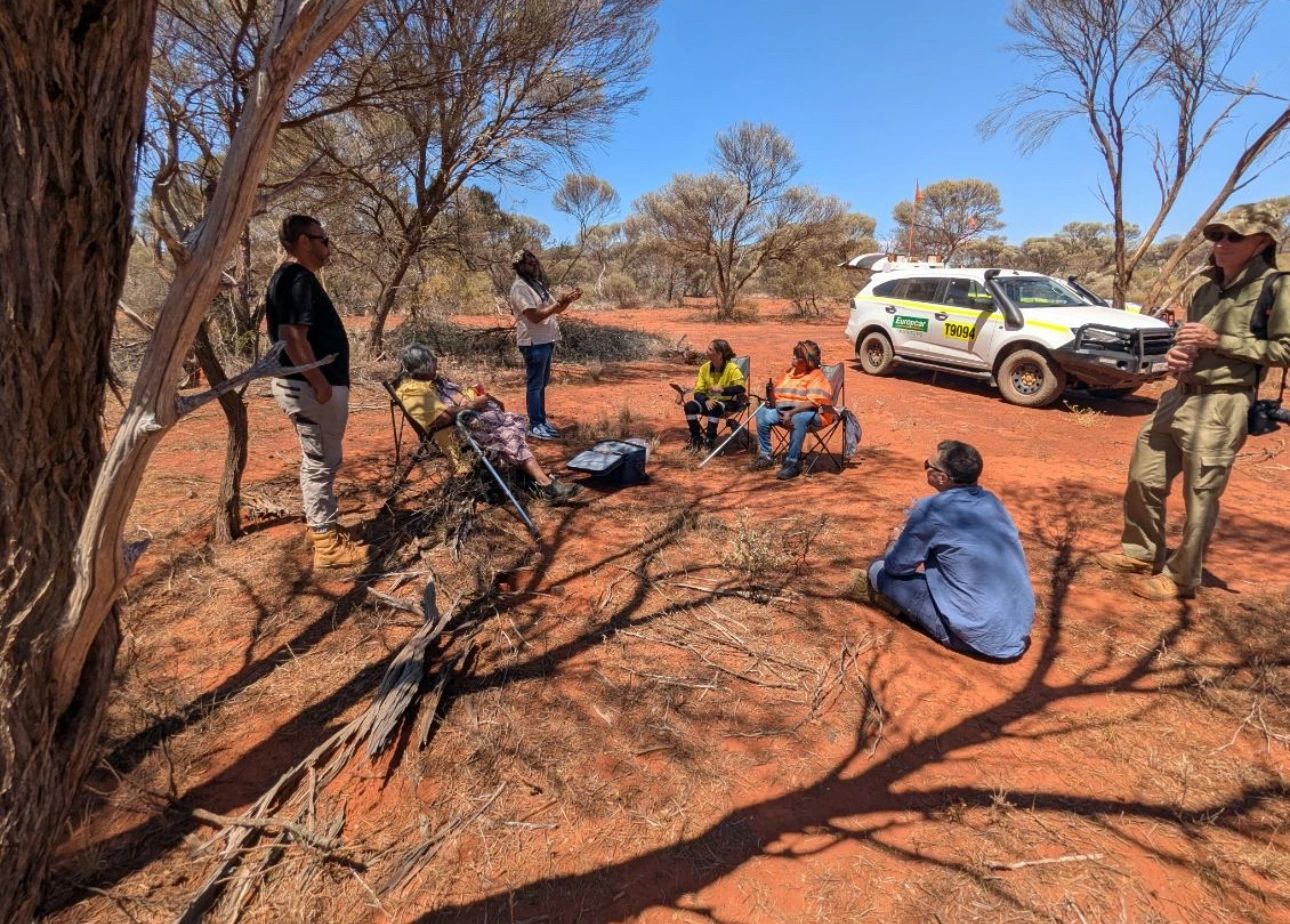
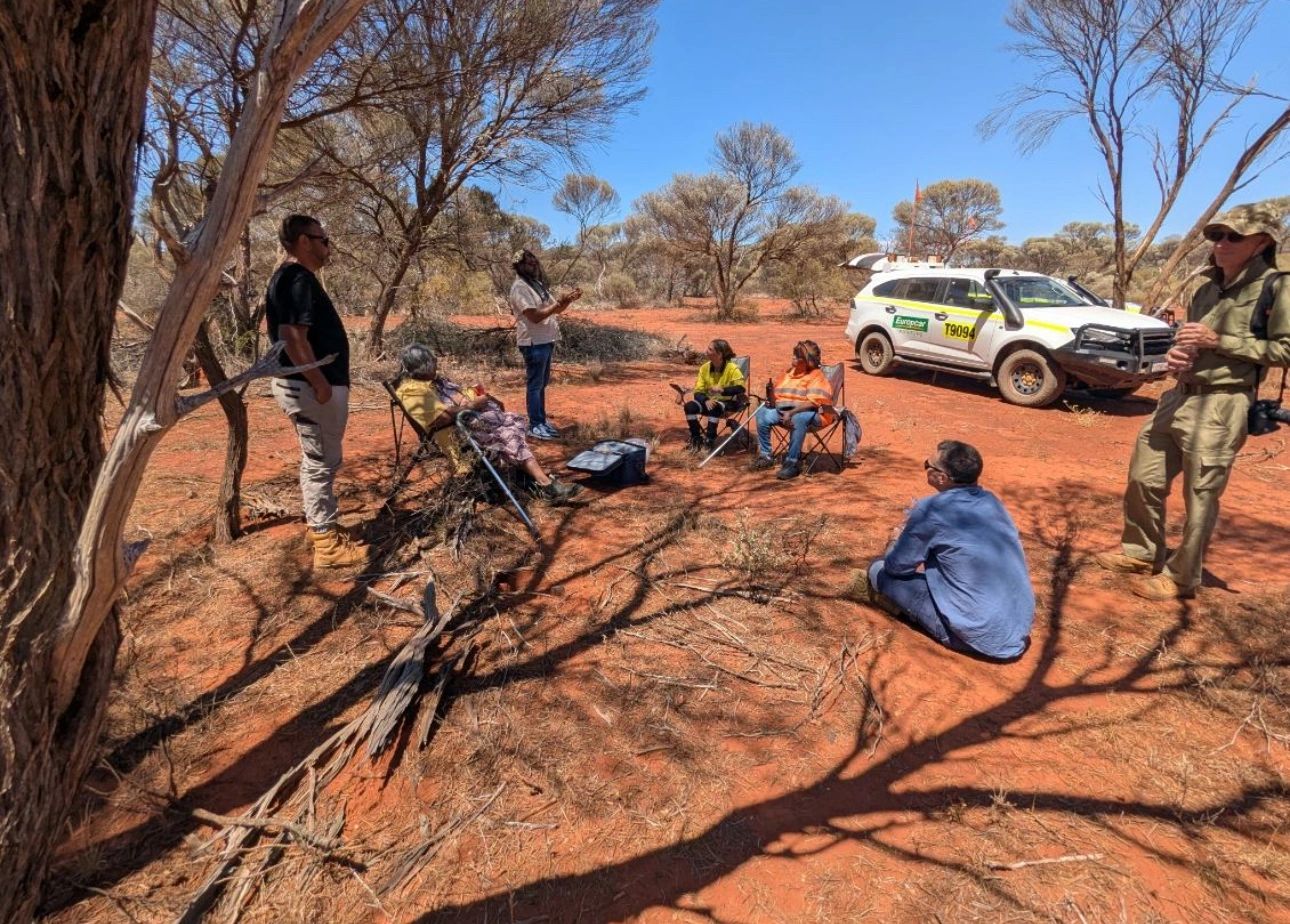
All programs are co-designed with community members through ongoing consultation, including the Annual Back to Country Camps. Program delivery is culturally informed, place-based, and evaluated against a clear outcomes framework with measurable targets.
Health & Wellbeing
The health program is delivered in partnership with Curtin University's Goldfields Department of Rural Health. It is built around a recognition that health in remote communities cannot be separated from culture, community, and place. Clinically-focused, externally-designed health interventions have repeatedly failed in the Northern Goldfields — this program takes a different approach.
Social and emotional wellbeing (SEWB) is the primary lens. Programs address the social determinants of health — housing, employment, cultural connection, family safety — rather than treating symptoms in isolation. Services are delivered in culturally safe settings, with Elders and community members involved in shaping how programs operate.
Curtin University's School of Design and Built Environment is contributing to the design and construction of a dedicated Health Hub space within the facility at 38 Tower Street. The space will be designed to NIAA standards and will accommodate a range of health and wellbeing services.
Key activities include:
- Social and emotional wellbeing programs and counselling support
- Culturally safe health service navigation and advocacy
- Preventative health education workshops
- Mental health first aid training for community members
- Connection to specialist services through coordinated referral pathways
- Health Hub facility design and construction (Curtin University partnership)
- Healing programs grounded in cultural practice
Education & STEM
The education program is built on a recognition that conventional schooling has not worked for many young people in the Northern Goldfields. The program does not attempt to replicate the classroom — it connects learning to Country, to culture, and to real employment pathways.
STEM is integrated into culturally informed frameworks developed in partnership with CSIRO. Young people engage with scientific concepts through the lens of environmental monitoring, land management, and traditional ecological knowledge — making learning relevant and meaningful.
The program also includes pathways into further education and vocational training, with mentorship from both community Elders and research partners. The goal is not just engagement — it is building genuine capability and creating real employment outcomes.
Key activities include:
- STEM education integration with cultural and environmental frameworks
- Two-way learning programs combining scientific and traditional knowledge
- CSIRO-led research participation for young people
- Mentorship from community Elders and research partners
- Pathways into vocational training and further education
- School engagement and attendance support programs
- Youth leadership development initiatives
Care for Country
The environmental program is developed in direct collaboration with CSIRO and is grounded in a two-way learning approach. Traditional Owner knowledge of Country — accumulated over tens of thousands of years — is treated as scientific knowledge, not folklore. It is integrated with contemporary environmental monitoring methods to produce a richer, more complete understanding of the land.
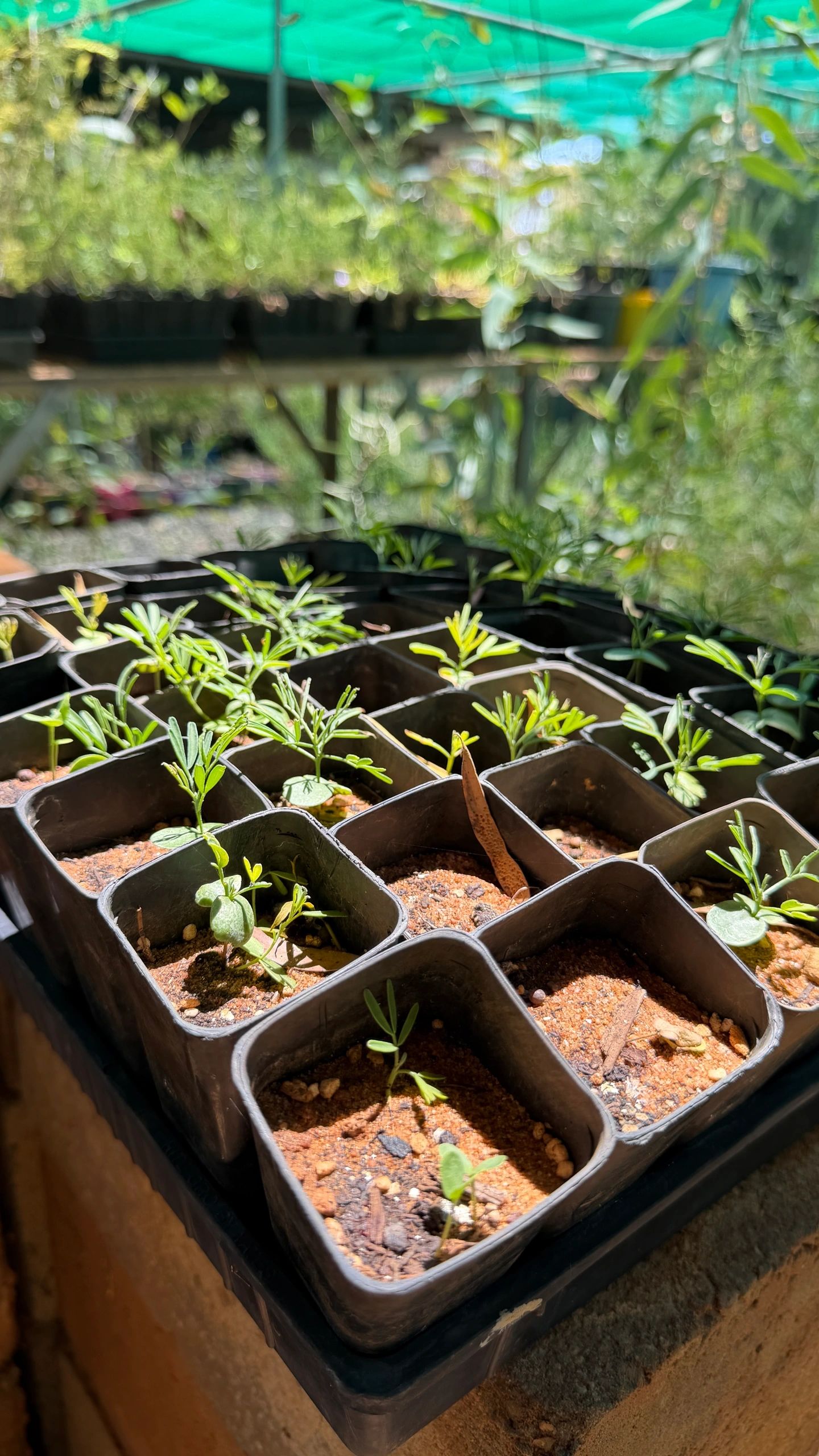
Participants are employed as environmental monitors and cultural mentors — creating real jobs while building the knowledge base needed to protect Country for future generations. Native plant propagation, land care, and rehabilitation programs are central to the work.
The program also contributes to CSIRO's broader research agenda, with community-collected data feeding into national environmental monitoring systems. Community members are genuine research partners, not just data sources.
Key activities include:
- Environmental monitoring systems deployment across the Northern Goldfields
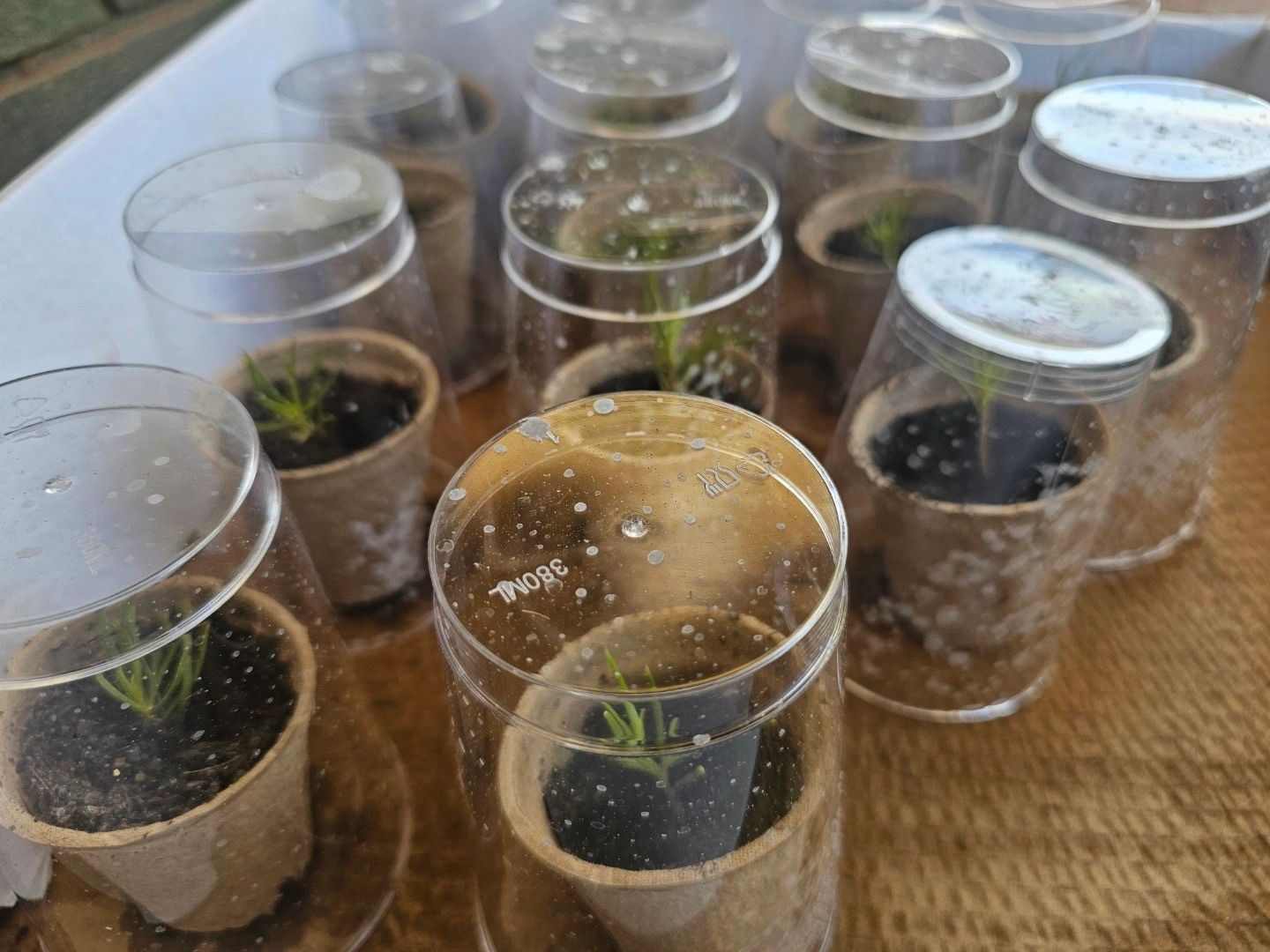
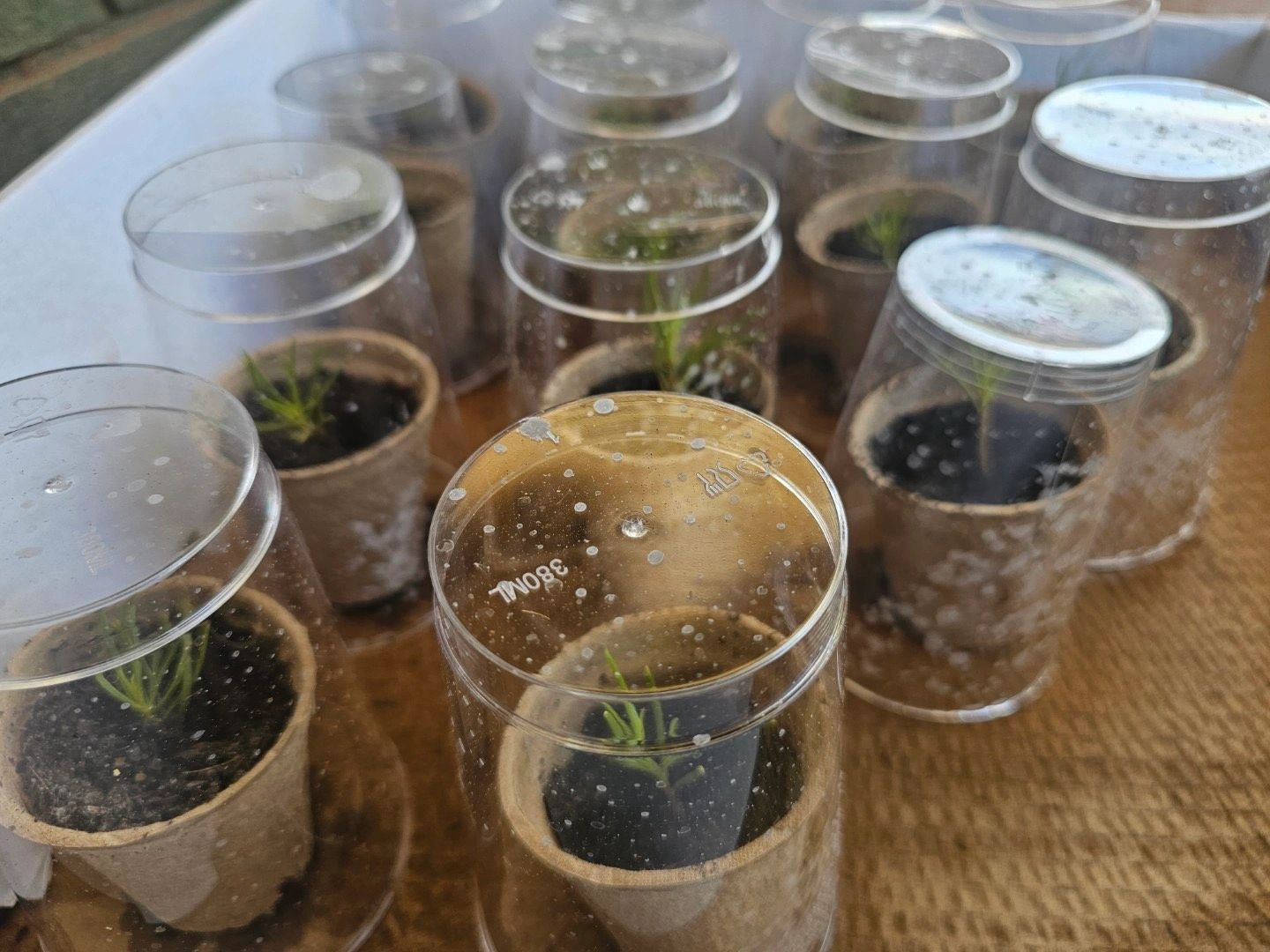
- Native plant propagation and land rehabilitation programs
- Two-way learning: Traditional Owner knowledge + CSIRO scientific methods
- Employment of community members as environmental monitors
- Cultural mentorship programs connecting Elders with young people
- Land care and healing programs on Country
- Contribution to national environmental research through CSIRO partnership
Social Enterprise
The social enterprise program is central to the Hub's long-term sustainability. The goal is to develop commercial activities that generate revenue for the community, create employment, and reduce dependence on external funding over time. Enterprise is not a side project — it is built into the model from the start.
Two primary enterprise concepts are currently in development. The first is a bush medicine program — drawing on traditional knowledge of native plants to develop ethical, commercially viable products. The second is a waste-to-energy pilot that addresses both environmental and economic challenges in remote communities.
A cultural cafe and social hub concept — Aboriginal-led, featuring native infusions and bush food — is also in early development. This initiative combines cultural heritage with commercial opportunity, creating a space that serves both community and visitors.
Indigenous Business Australia (IBA) provides commercial development guidance across all enterprise activities, supporting Nyunnga Ku to build viable, sustainable businesses rather than grant-dependent programs.
Key activities include:
- Bush medicine product development — native plants, ethical sourcing
- Waste-to-energy pilot program — feasibility and implementation
- Cultural cafe concept — Aboriginal-led, native infusions and bush food
- Tourism venture development rooted in cultural heritage
- Commercial development guidance through IBA partnership
- Employment creation and skills development through enterprise
- Revenue generation to support Hub financial sustainability
See the impact
Explore the outcomes framework and targets that guide all program delivery.