
Partnerships
The Hub is a genuine multi-partner initiative. Government agencies, research institutions, and commercial partners each contribute specific expertise — coordinated by Nyunnga Ku around community priorities.
Genuine partnership, not tokenism
The Hub's partnership model is built on a clear principle: each partner contributes specific, defined expertise, and Nyunnga Ku coordinates those contributions around community priorities. This is not a model where external organisations design programs and community members participate. It is a model where community members set the direction and partners provide the resources and expertise to deliver it.
Partnerships are formalised through Memoranda of Understanding (MoUs) and are governed by the Hub's Advisory Committee, which includes community representatives. Partners are accountable to the community, not the other way around.
National Indigenous Australians Agency (NIAA)
About the organisation
The National Indigenous Australians Agency is the Australian Government agency responsible for leading and coordinating policy, programs, and service delivery for Aboriginal and Torres Strait Islander peoples. NIAA is the primary funding partner for the Regional Community Collective Hub, providing three-year funding through the Remote Jobs and Economic Development (RJED) Program.
Role in the Hub
NIAA's RJED Program provides the foundational funding that makes the Hub possible. The program is designed to support sustainable employment models in remote Indigenous communities — co-designed with local communities to meet specific regional economic and social needs. NIAA funding supports both the operational delivery of Hub programs and the physical construction of the Hub facility at 38 Tower Street, Leonora.
Key contributions
- Primary three-year funding through the RJED Program
- Support for Hub facility construction at 38 Tower Street
- Program compliance and reporting framework
- Connection to national Indigenous employment and economic development policy
- Access to broader NIAA program networks and resources
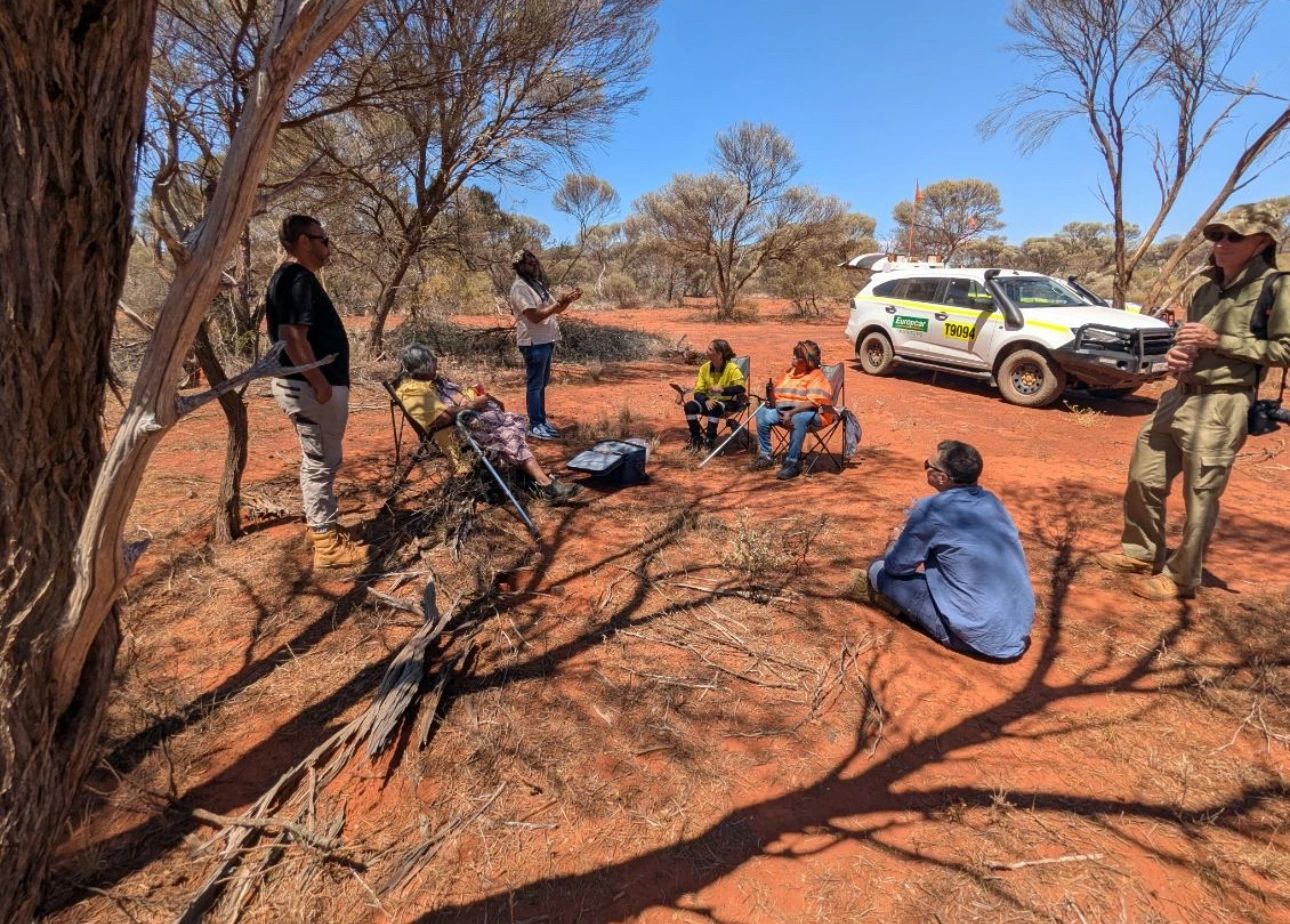
Curtin University Rural Health
About the organisation
Curtin University is one of Australia's leading research universities, with a strong commitment to engagement with regional and remote communities. Two distinct faculties contribute to the Hub partnership: the Goldfields Department of Rural Health, which co-designs and delivers health programs; and the School of Design and Built Environment, which contributes to the design and construction of the Hub facility.
Role in the Hub
Curtin's Goldfields Department of Rural Health brings clinical expertise, research capability, and an established presence in the Northern Goldfields to the partnership. The department co-designs health programs with Nyunnga Ku and community members, ensuring services are evidence-based, culturally safe, and responsive to local needs. The School of Design and Built Environment contributes architectural and design expertise to ensure the Hub facility is culturally appropriate, environmentally sustainable, and functionally fit for purpose.
Key contributions
- Health program co-design and clinical expertise
- Social and emotional wellbeing program development
- Hub facility design through the School of Design and Built Environment
- Research and evaluation support
- Student placement and internship opportunities
- Connection to broader Curtin research networks
- Culturally safe service delivery frameworks
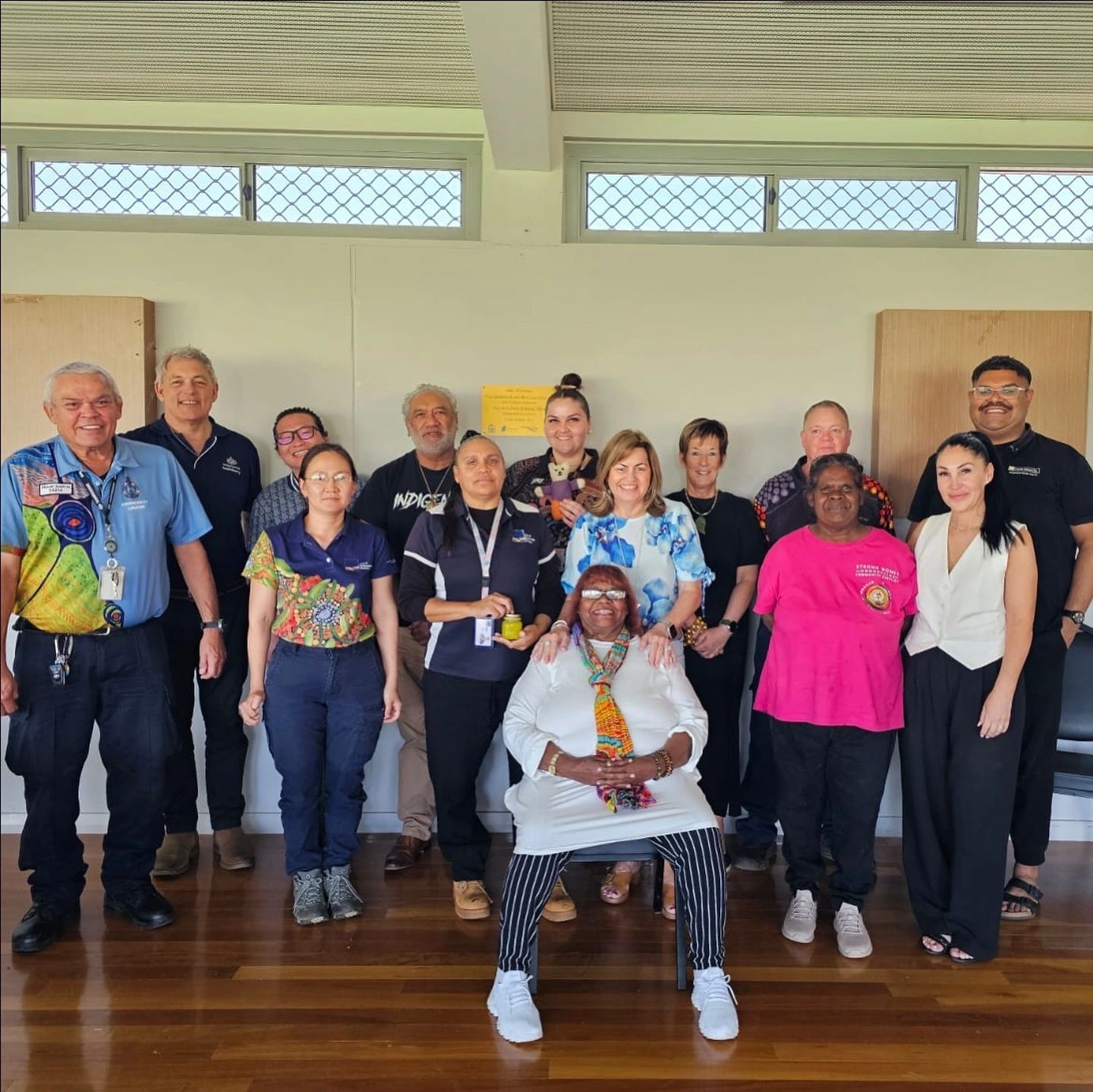
Commonwealth Scientific and Industrial Research Organisation (CSIRO)
About the organisation
CSIRO is Australia's national science agency — one of the largest and most diverse research organisations in the world. CSIRO's partnership with Nyunnga Ku brings world-class scientific expertise to the Northern Goldfields, applied through a genuine two-way learning framework that treats Traditional Owner knowledge as scientific knowledge.
Role in the Hub
CSIRO contributes to the Hub's environmental monitoring and education programs. The partnership is built on a two-way learning model — CSIRO scientists work alongside Traditional Owners and community members, combining Western scientific methods with traditional ecological knowledge to produce a richer, more complete understanding of the land. Community members are employed as environmental monitors and cultural mentors, creating real jobs while building the knowledge base needed to protect Country for future generations.
Key contributions
- Environmental monitoring systems design and deployment
- Two-way learning program development and delivery
- STEM education integration and curriculum support
- Traditional Owner knowledge documentation and integration
- Employment of community members as environmental monitors
- Contribution to national environmental research databases
- Scientific research and publication support
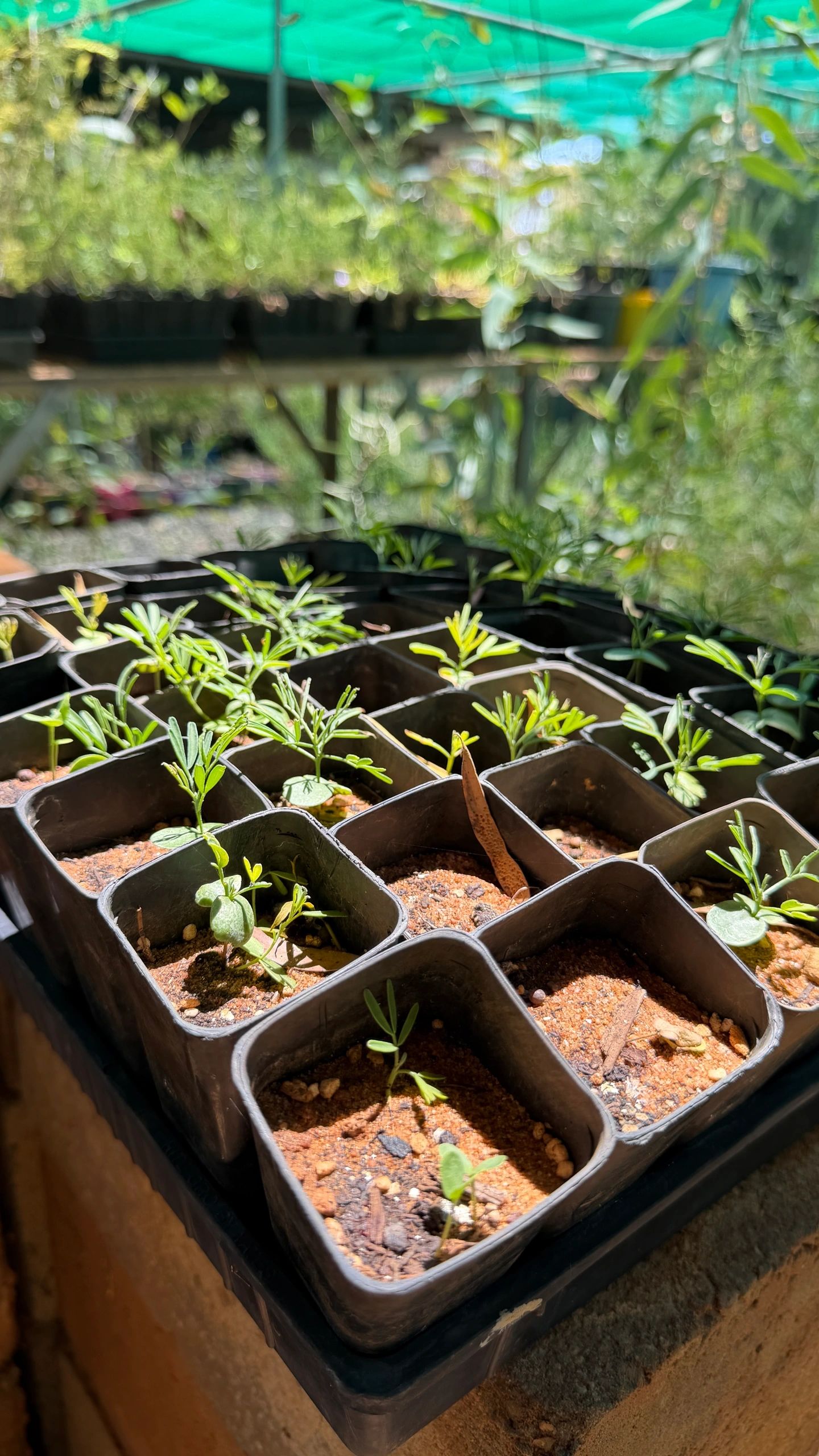
Indigenous Business Australia (IBA)
About the organisation
Indigenous Business Australia is a Commonwealth statutory authority that promotes and encourages self-management, self-sufficiency, and economic independence of Aboriginal and Torres Strait Islander peoples. IBA provides financial products, business support, and property services to help Indigenous Australians build wealth and economic independence.
Role in the Hub
IBA supported the purchase of the Hub property at 38 Tower Street, Leonora — a critical step in establishing a permanent, community-owned base for Hub operations. IBA also provides commercial development guidance to support the social enterprise components of the Hub model, helping Nyunnga Ku build viable, sustainable businesses rather than grant-dependent programs. This includes guidance on the bush medicine enterprise, waste-to-energy pilot, and cultural cafe concept.
Key contributions
- Property purchase support — 38 Tower Street, Leonora
- Commercial development guidance for social enterprise programs
- Business development expertise and mentorship
- Financial products and investment support
- Guidance on bush medicine enterprise development
- Support for waste-to-energy pilot feasibility
- Long-term wealth creation and economic independence strategy
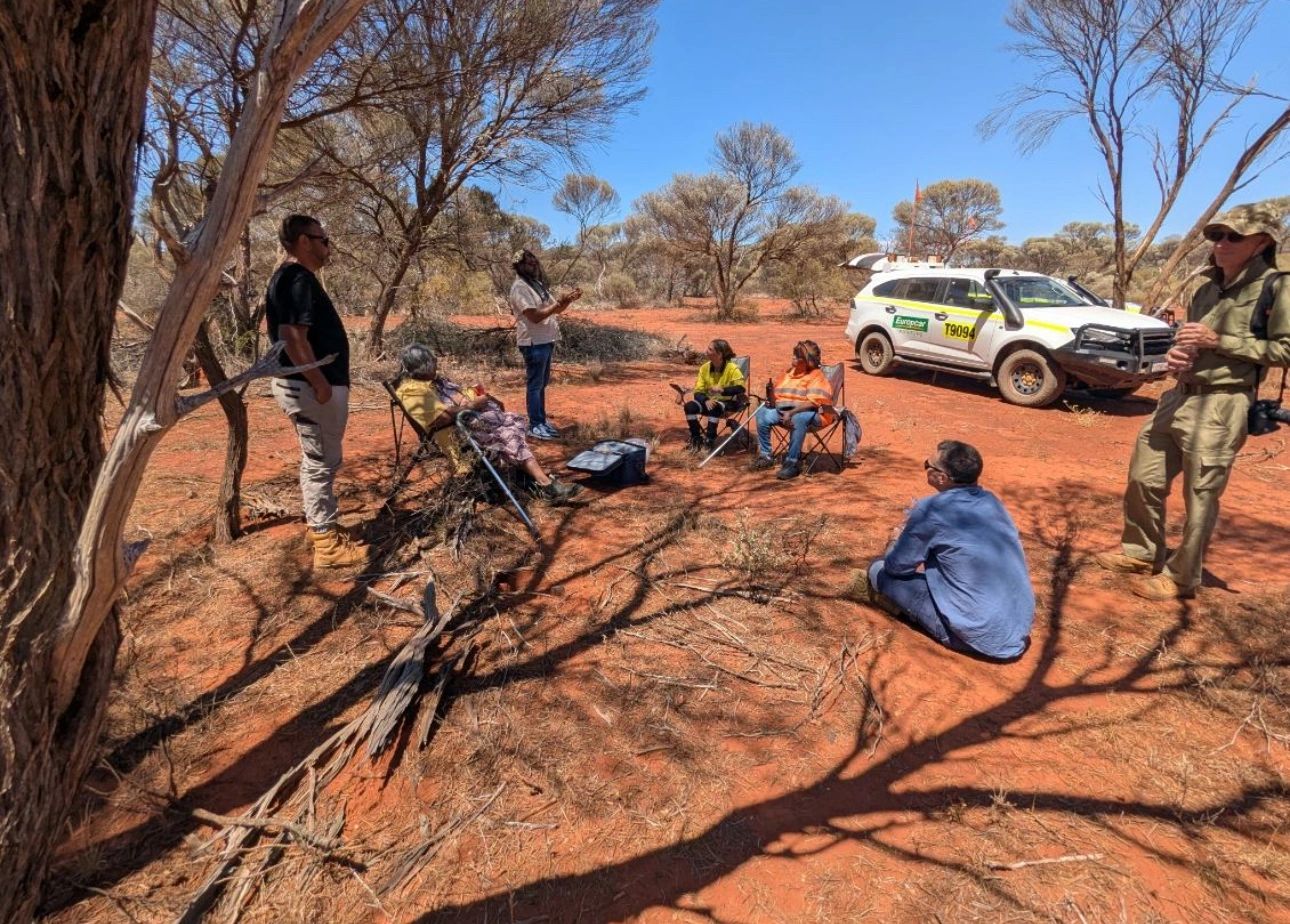
How partnerships are governed
Advisory Committee
The Hub Advisory Committee includes community representatives, partner organisation leads, and independent members. The committee provides strategic oversight and ensures community priorities remain central to all partnership decisions.
Memoranda of Understanding
All partnerships are formalised through MoUs that define each partner's role, contribution, and accountability. MoUs are reviewed annually and updated to reflect changing program needs and community priorities.
Community Accountability
Partners are accountable to the community through the Advisory Committee and through the Annual Back to Country Camps, where community members review program delivery and provide feedback on partnership performance.
See the outcomes
Explore the outcomes framework and targets that guide all program delivery.